

TMJ & Neck Pain: Can a Chiropractor Help?
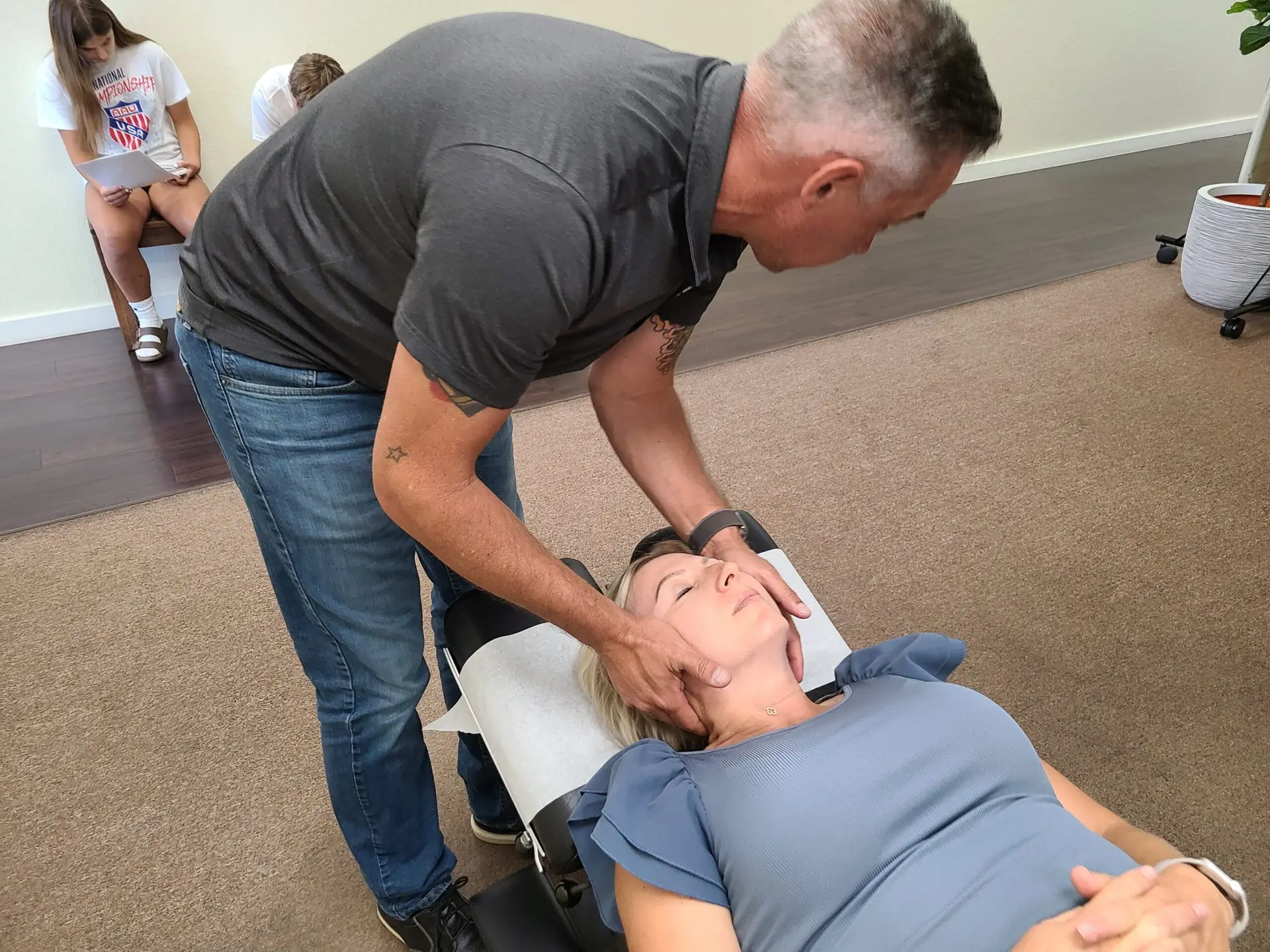
By Dr. Mark Hanses, DC · Elevate Chiropractic Harker Heights
Published [date on publish] · Last updated [date on publish]
Yes, chiropractic care may help many people with TMJ pain, especially when jaw pain comes with neck tension, headaches, or posture strain. Your jaw doesn't work alone. It works with the muscles of your face, neck, and upper back, and your nervous system runs all of them. So when one part is tight or not moving well, the rest feel it too. That's why we don't just look at where it hurts. We look for what's driving it.
Jaw pain can be frustrating. It may hurt when you chew, make your jaw feel tight, or cause clicking and popping when you open your mouth. Some people also notice headaches, facial tension, ear pressure, or neck discomfort along with their jaw symptoms.
Here's what's going on, what may help, and when it's time to get it checked.
What Is TMJ?
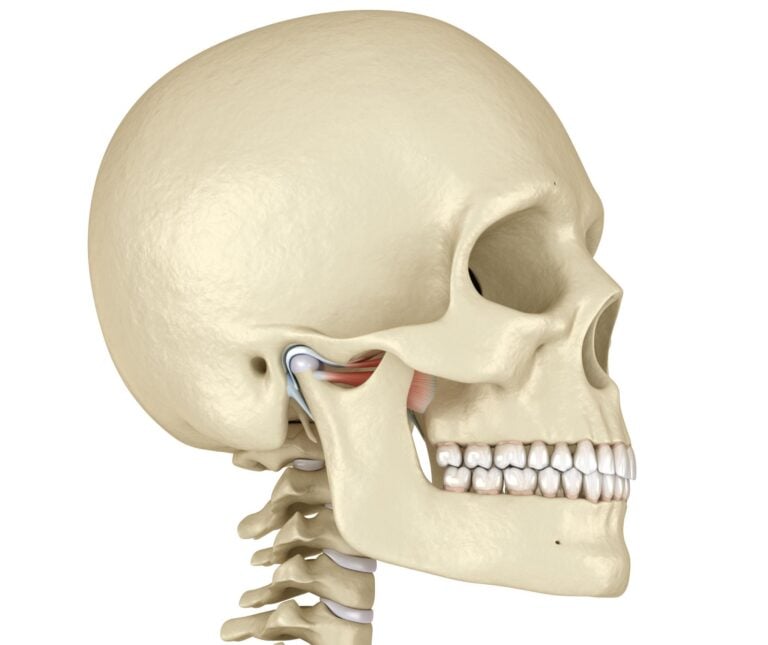
The TMJ is your temporomandibular joint (tem-pro-man-DIB-yoo-lar). You have two of them, one just in front of each ear. They’re the hinges that let you open your mouth, chew, talk, and yawn.
TMJ vs. TMD: What’s the Difference?
When people say “I have TMJ,” they usually mean TMD, short for temporomandibular disorders. According to the National Institute of Dental and Craniofacial Research (NIDCR), TMD is a group of more than 30 conditions that cause pain and trouble in the jaw joint and the chewing muscles.
How Common Is TMJ Pain?
More common than most people think. The NIDCR estimates TMD affects about 5% of U.S. adults, and it’s about twice as common in women, especially women ages 35 to 44. Cleveland Clinic puts it at up to 12 million people in the U.S., with most cases starting between ages 20 and 40.
In other words, if your jaw has been bugging you, you’re far from alone.
What Are the Symptoms of TMJ?
- Pain when you chew
- A jaw that feels tight or stiff
- Clicking, popping, or grating when you open or close your mouth
- Headaches, often around the temples
- Facial tension or soreness
- Ear pressure or ringing
- Neck and shoulder discomfort
- A jaw that doesn’t open all the way, or gets “stuck”
What Causes TMJ Pain?
The exact cause isn’t always clear, and it’s usually more than one thing working together. Common contributors include:
- Teeth grinding and clenching, often at night, without knowing it
- Stress, which keeps the jaw muscles working overtime
- Poor posture, especially forward-head posture from phones and screens
- Old injuries to the jaw, head, or neck
- Tight muscles in the jaw, neck, and upper back
Do You Grind or Clench Your Teeth?
Bruxism is the medical name for clenching or grinding your teeth. Johns Hopkins Medicine describes it as habitual, involuntary clenching or grinding, which can strain the jaw joints and chewing muscles. Involuntary is the key word. Most people who grind don’t know they do it until a dentist, a partner, or a sore jaw in the morning tells them.
How Stress and Your Nervous System Play a Part
Your nervous system controls every muscle that opens, closes, and steadies your jaw. When life runs in high gear (long days, short sleep, a lot on your mind), those muscles can stay “switched on” long after the stressful moment has passed. Cleveland Clinic lists stress that causes jaw tension as one of the causes of TMD.
That’s a big part of why we take a whole-body view. A calmer, better-moving body gives your jaw a better chance to settle down too.
Can TMJ Cause Neck Pain?
Yes, and the connection goes both ways. The NIDCR lists pain that spreads to the face or neck as a TMD symptom, and Johns Hopkins notes that TMD pain can spread to the shoulder, neck, and back.
Why Your Neck and Jaw Work as a Team
The jaw joint works closely with the muscles of your face, neck, and upper back. When the joints in your neck and upper back aren’t moving the way they’re designed to, the muscles that steady your jaw may pick up extra work.
In the office, this is the pattern we see most: someone comes in for a stiff neck, and it turns out their jaw has been clicking or aching for months. They never thought the two were related.
“In many of my patients that come in with TMJ pain, I often find an area in their neck with some kind of obvious tension or limited mobility.”
— Dr. Mark Hanses, DC
How Posture Adds Stress to Your Jaw
Think about how you sit right now. If your head drifts forward toward a phone or laptop, the muscles at the back of your neck and under your jaw have to work harder to hold it there. Do that for hours a day and those muscles may stay tight long after you put the phone down.
This isn’t just our take. Cleveland Clinic lists poor posture as a risk factor for TMD, and Johns Hopkins includes posture training among its treatment options.
Can TMJ Cause Headaches?
Yes. Headaches associated with TMD are one of the three main categories of TMD the NIDCR describes. The chewing muscles run up the side of your head, so when they’re tight, many people feel it as a tension headache around the temples.
★★★★★ “For years, I suffered from debilitating migraines… Since coming to this office, my life has completely changed.”
— ZR, Google review
Can a Chiropractor Help With TMJ?
This is where chiropractic care can help. In our experience, it’s a highly effective place to start when jaw pain comes with neck tension, headaches, or posture strain.
Our Whole-Body Approach to TMJ
Rather than focusing only on the jaw, we look at how your jaw, neck, upper back, posture, and nervous system are working together. The goal is simple: find what’s driving the problem, not just quiet the spot that hurts.
It’s hands-on, conservative, and drug-free. That lines up with the NIDCR’s own advice to start with conservative, reversible care, including manual therapy for the muscles and soft tissue around the joint, before considering anything permanent.
What TMJ Care Looks Like at Elevate
- Gentle chiropractic adjustments to help your neck and upper back move and sit the way they should
- Soft tissue work to help ease muscle tension around the jaw, neck, and shoulders
- Gentle jaw techniques to help the joint move more comfortably
- Simple at-home habits so the progress you make in the office keeps going between visits
We’ll also be straight with you. Chiropractic care isn’t the answer for every jaw problem. If something we find points to a dental or medical issue, we’ll tell you and send you to the right person. We’d rather you get the right care than get our care.
What Happens at Your First Visit?
- We talk. When did it start? When is it worse? Do you grind, clench, or wake up with a sore jaw?
- We look at the whole picture. Jaw opening and movement, neck and upper back motion, posture, and muscle tension.
- We explain what we found in plain English, and what we recommend.
- We start care if it’s a good fit, always gentle and to your comfort level.
Your first visit is $39 and includes the consultation, exam, explanation of findings, and your first adjustment, plus 10 minutes of Focused Muscle Relief Therapy. No insurance needed. See plans and pricing for what follow-up visits cost.
What Do Our Harker Heights Patients Say?
★★★★★ “After persistent, worsening and sometimes debilitating neck pain for months… I finally went in to get help… Dr. Hanses was informative and so helpful, explaining the adjustment process from spinal anatomy to what to anticipate moving forward.”
— Taylor B., Google review
★★★★★ “I’ve been to a few chiropractors, and Dr. Hanses has such a gentle touch! He is very patient and makes sure to listen thoughtfully to any concerns, especially when new to getting adjusted.”
— Sarah L., Google review
★★★★★ “I’ve been to about 15 Chiropractors in my 20 plus years in the Army and he is by far the best. Only person I have felt comfortable with my neck.”
— David G., Google review
Elevate Chiropractic Harker Heights holds a 5.0-star rating across 157 Google reviews. Reviews reflect individual experiences; results vary.
Should You See a Dentist or a Chiropractor for TMJ?
Often, both. The NIDCR suggests talking with a dentist or doctor if you think you have a TMJ problem. If you already wear a night guard or splint, keep wearing it. Chiropractic care works right alongside your dental care, especially when neck and upper back tension are part of the picture.
How Can You Ease TMJ Pain at Home?
Daily habits matter too. Looking down at your phone or computer for long periods, chewing gum often, or clenching your teeth may add extra stress. Small changes can make a real difference:
- Bring your screen up. Hold your phone closer to eye level and raise your monitor.
- Take movement breaks. Stand up, roll your shoulders, and gently turn your head every 30 to 60 minutes.
- Go easy on the gum and other hard or chewy foods during a flare-up. Softer foods give your jaw a break.
- Try heat or cold on the sore side of your face.
- Wind down on purpose. A few slow breaths before bed helps tell your nervous system it’s safe to let go, and your jaw muscles may follow.
- Catch yourself clenching. Many people clench while driving, working, or scrolling.
Pro tip: “Lips together, teeth apart.” Your teeth shouldn’t touch when your mouth is at rest. Check right now. If they’re touching, let your jaw relax.
When Should You Get Jaw Pain Checked?
Occasional jaw clicking is common. The NIDCR notes that clicking or popping without pain is considered normal and doesn’t need treatment.
But ongoing pain, headaches, jaw locking, or trouble chewing deserves a closer look.
If your jaw is locked open or shut, or the pain started after a fall, car accident, or hit to the face, call your dentist or doctor first.
TMJ Chiropractor in Harker Heights
At Elevate Chiropractic Harker Heights, we take a simple, conservative, whole-body approach. We look at the whole area, and the whole person, to help figure out what may be contributing to your symptoms. You’ll find us at 3055 Stillhouse Lake Rd, Suite 207, and we see patients from Harker Heights, Killeen, Nolanville, Belton, Fort Hood, and the rest of Central Texas.
If you’ve been dealing with jaw pain, headaches, clicking, or tightness, let us take a closer look. Book your first visit today with Dr. Mark Hanses for only $39. Call (254) 413-1248. See what to expect as a new patient.
Frequently Asked Questions
Can a chiropractor help with TMJ?
Yes, chiropractic care may help many people with TMJ pain, especially when jaw symptoms come with neck tension, headaches, or posture strain. We look at the jaw, neck, upper back, posture, and the nervous system that runs them, and use gentle adjustments, soft tissue work, and gentle jaw techniques. It’s conservative and drug-free, and we work alongside your dentist when needed.
Can TMJ cause neck pain?
Yes. The NIDCR lists pain that spreads to the face or neck as a TMD symptom, and Johns Hopkins notes TMD pain can spread to the shoulder, neck, and back. The jaw works closely with the muscles of the face, neck, and upper back, so tension in one area often shows up in the others.
Can TMJ cause headaches?
Yes. Headaches associated with TMD are one of the three main TMD categories the NIDCR describes. Many people with jaw pain notice tension headaches around the temples.
Is jaw clicking normal?
Clicking or popping without pain is common and considered normal. Clicking with ongoing pain, headaches, jaw locking, or trouble chewing deserves a closer look.
Is chiropractic care for TMJ painful?
Our TMJ care is gentle and done to your comfort level. We explain each step first, and you can tell us to stop at any time.
How much does a first visit cost?
$39. It includes a consultation, exam, explanation of findings, and your first adjustment, plus 10 minutes of Focused Muscle Relief Therapy. We’re cash-pay and don’t bill insurance. Call (254) 413-1248 to book.
About the author: Dr. Mark Hanses is the owner of Elevate Chiropractic Harker Heights. He graduated from Cleveland Chiropractic College in Overland Park, KS, in 2010 and believes regular chiropractic care is often the missing piece in the healthcare puzzle for patients of all ages, from birth to the elderly. About Dr. Hanses
This article is for general education and is not a diagnosis. If you have jaw pain, talk with a qualified provider about your situation.